Perimenopause and Midlife Health as Identity Work
Midlife health has a new identity. Nextatlas' early adopter intelligence tracked perimenopause accelerating into a defined life stage women actively research, narrate, and build routines around. See the demographics, countries, and brands already building on this shift, backed by real signal data.
For decades, midlife health for women lived in a single, dismissive drawer: symptoms to endure quietly, hormones to manage privately, aging to hide gracefully. Nextatlas' early adopter data shows that drawer has been pulled wide open.
Hormonal sovereignty is accelerating fast
Nextatlas' trend intelligence shows perimenopause carrying a forecasted growth of +14.2%, with signal strength more than tripling since mid-2023. That trajectory is what elevates this from a passing moment to a named outcome in its own right: a structural reframing of how an entire life stage gets talked about, marketed to, and lived.
The taboo is breaking down in real time. Nextatlas has tracked this directly: women are sharing symptoms openly that were once kept private, and premature or early perimenopause is gaining visibility as women in their thirties and forties detect hormonal shifts years ahead of the timeline they expected. The audience for this conversation is expanding at both ends.
Gen X is carrying this trend
Gen X leads the conversation, with Millennials close behind and already entering early, a signal that awareness is starting well before the life stage itself. The audience is almost entirely female, made up largely of mothers, and skews toward attitudes coded as self-focused and spiritually engaged rather than purely clinical. Nutritionists and healthcare professionals are the leading professional voices shaping the discourse, giving perimenopause content a credibility layer that lifestyle influencers alone can't offer.
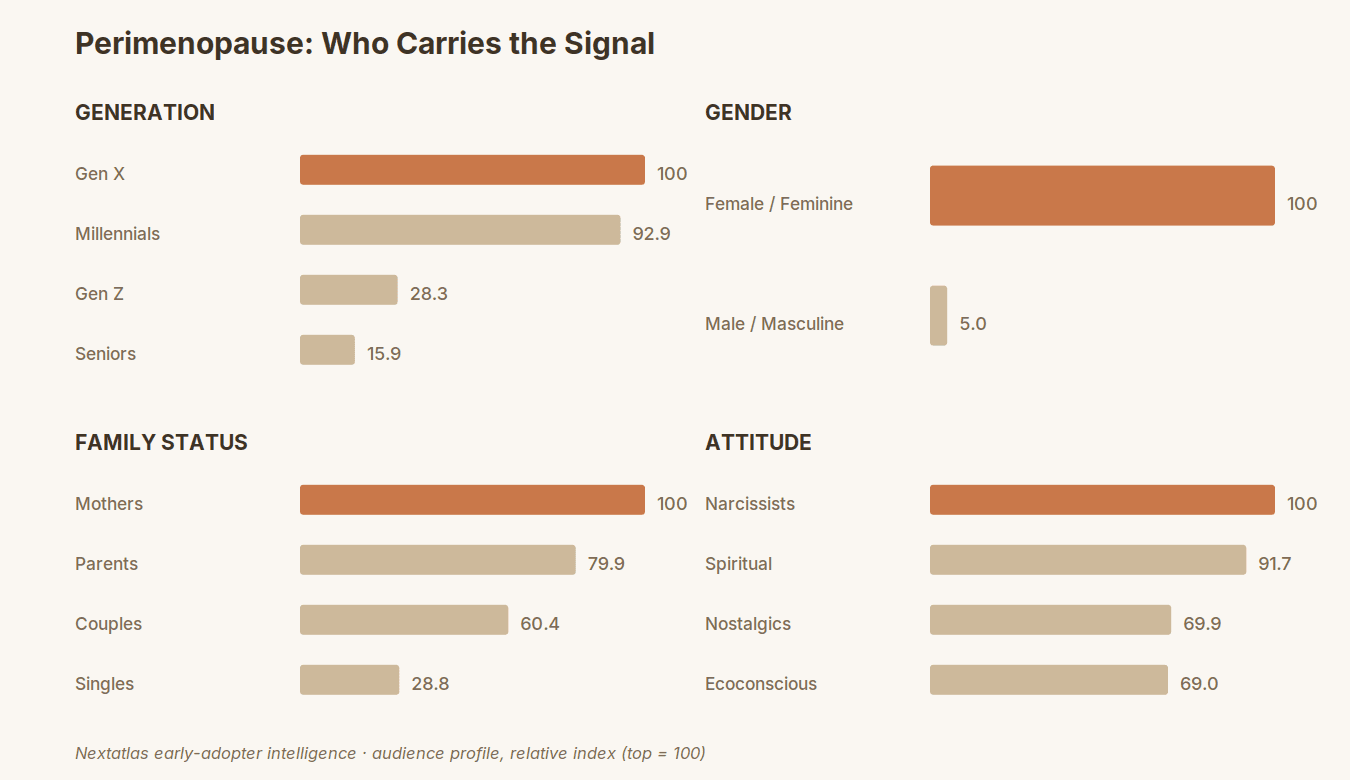
Demographic data related to the trend from Nextatlas early adopter data
Geographically, the United States and the usual Anglophone markets show up, but so does Singapore, sitting at the very top of the list. Affluent Asian markets with high female workforce participation are engaging with this language early, a detail worth watching for any brand assuming this is a Western-only story.
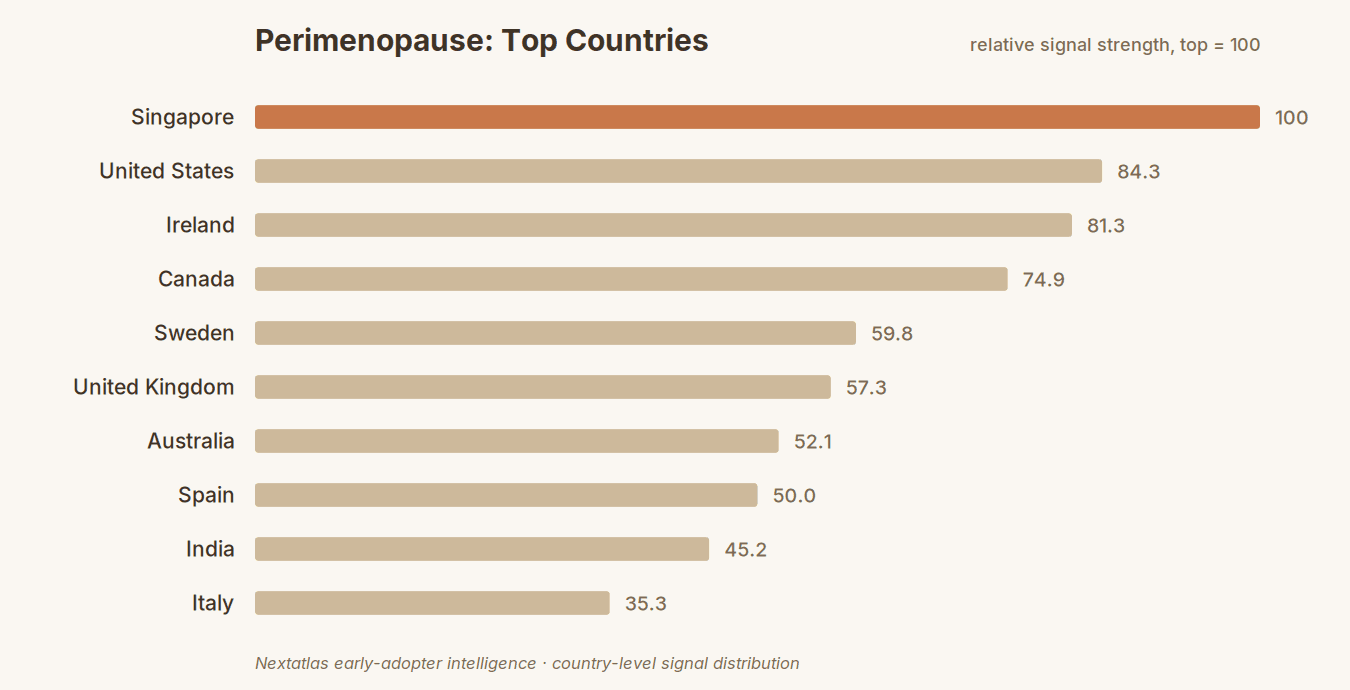
The places most specifically associated to the trend, as inferred from the provenance of the early adopters who post about it
The vocabulary has gone clinical
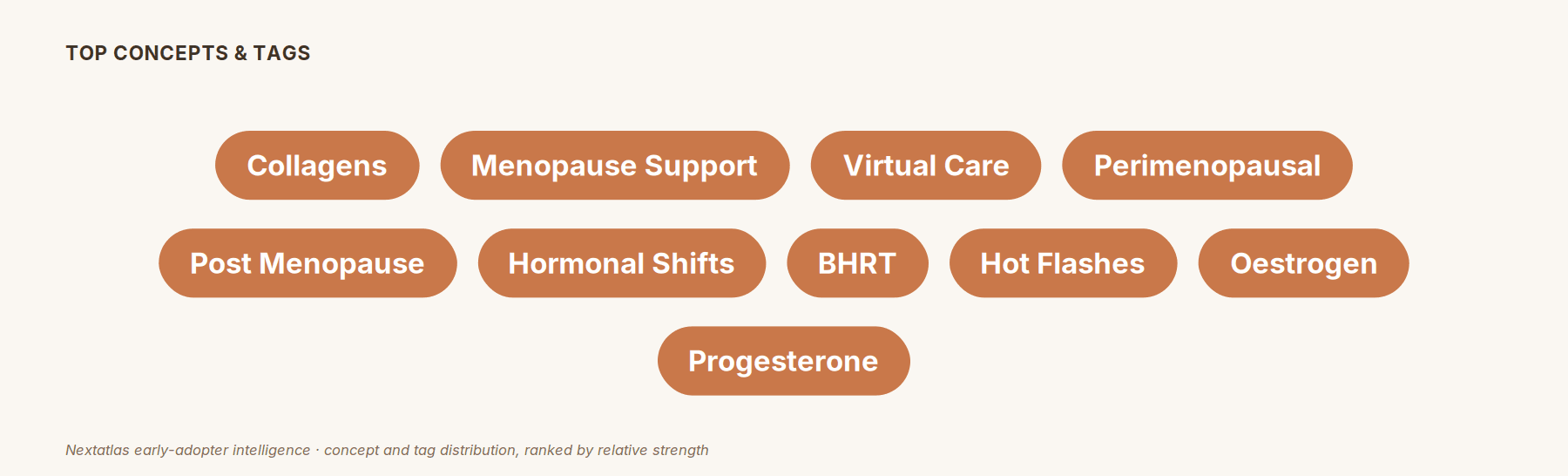
Nextatlas' concept and hashtag data shows a striking shift in fluency. Terms like BHRT, oestrogen, progesterone, and hormone replacement therapy now sit comfortably alongside beauty-adjacent language like collagen and menopause support. Women aren't just naming symptoms anymore. They're naming mechanisms. That level of vocabulary precision signals a consumer body doing genuine research, not just venting.
Top social media sources
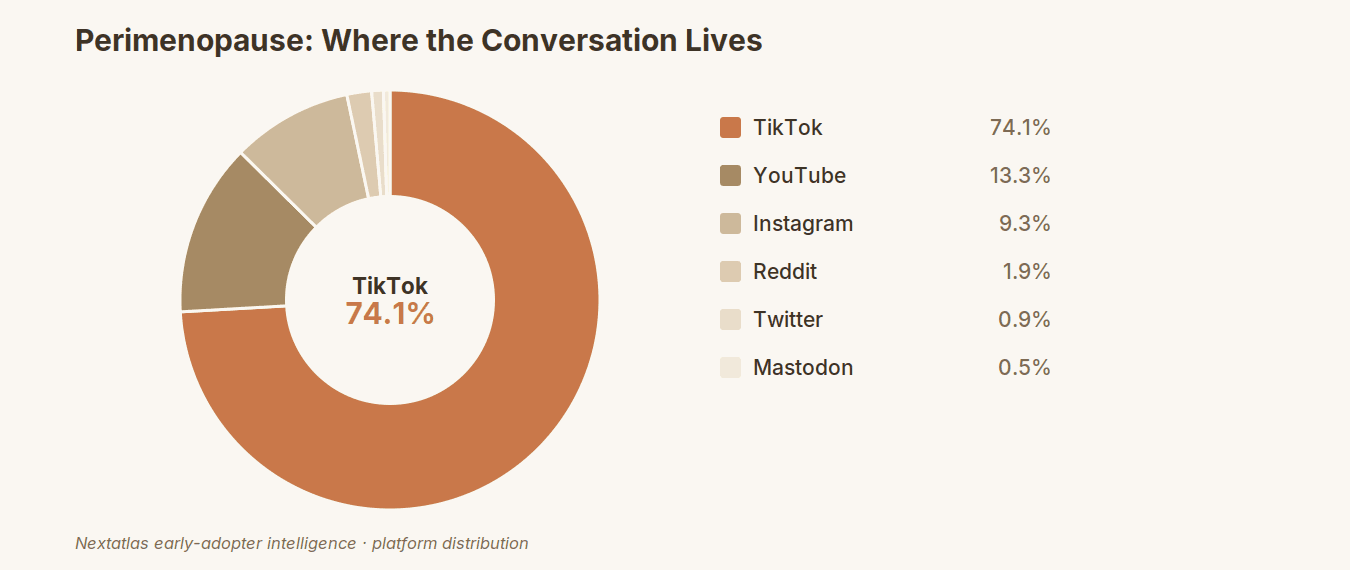
TikTok carries the overwhelming majority of this conversation, with YouTube and Instagram trailing behind. Sleep is the leading occasion tied to the topic, well ahead of any other context. For many women, disrupted sleep is the entry point into a much larger conversation about hormones, identity, and aging.
How much each data source contributes to relevant posts on certain platforms
The health industry is already moving
Beauty and cosmetics outrank health as the leading industry association for this trend, which tells its own story: this territory is being built commercially through beauty channels as much as through medical ones. A handful of early operators illustrate the range of what's already in the market.
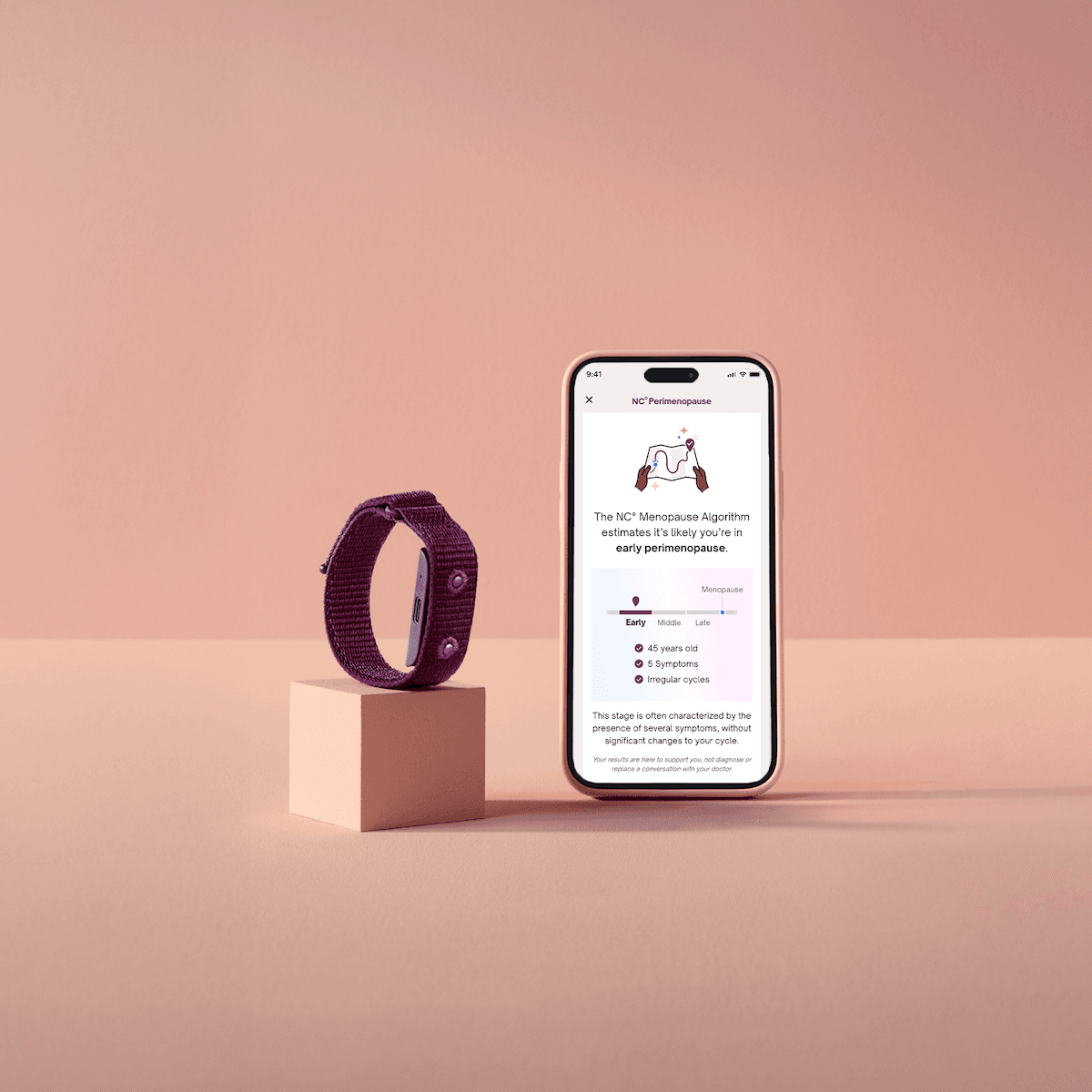
Respin Health, founded by Halle Berry, built a community and guidance platform specifically for peri and menopause navigation. Natural Cycles, known for its FDA-cleared birth control app, launched NC° Perimenopause, extending its existing platform into this new life stage.
Credits: Natural Cycles
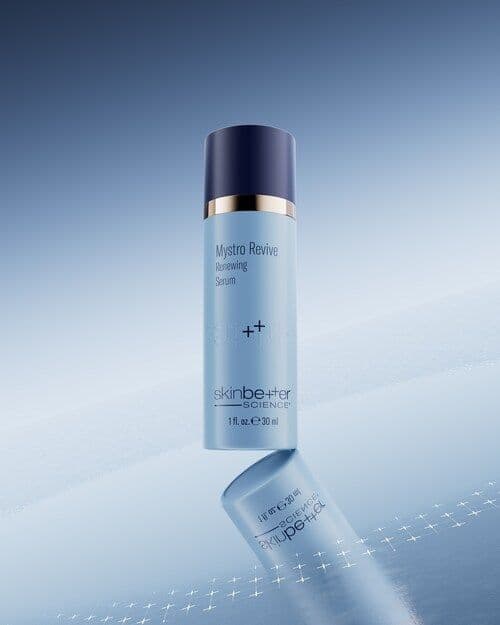
skinbetter science launched a renewing serum formulated for menopausal skin during Menopause Awareness Month. Lastly, Hone Health pushed the conversation into policy territory with its Menopause Time Off Movement, calling on employers to formally recognize menopause as a legitimate workplace health issue.
Digital health tools, celebrity-backed communities, skincare formulation, and workplace policy: four very different plays on the same underlying signal.
Mystro Revive Renewing Serum. Credit: skinbetter science
Why this matters as identity work
What ties all of this together is a shift in framing. Perimenopause isn't being treated as decline to manage quietly anymore. It's being treated as a life stage worth understanding, narrating, and building routines and products around, the same way a previous generation of consumers turned skincare or fitness into identity projects. The hormonal shift becomes a chapter to document rather than a symptom list to hide.
For brands, the opening is concrete. Credentialed voices outperform generic wellness influencers here. Short-form video is the primary battleground. Messaging that bridges Gen X currently in perimenopause with Millennials starting to notice early signs will travel further than messaging aimed at either group alone. And sleep, more than hormones or aging directly, is the natural entry point into the story.
Midlife health has stopped being a hushed transition. Nextatlas' data shows it becoming one of the more actively claimed identities in wellness culture today.
See the next health wave before it peaks
If your team is building a campaign, a product, or a positioning strategy around a rising health movement, we can show you the audience behind it: the generations carrying the signal, the countries leading it, the platforms where it lives, and the language your customers are already using. Talk with the Nextatlas team to explore what early adopter intelligence can do for your next launch.
Trend lines, data, and information described in this article emerge from the ongoing analysis performed by Nextatlas on its global observation pool made of innovators, early adopters, and industry insiders. Discover Nextatlas Methodology →