Meet TasteOS: Built for Food and Beverage Innovation
TasteOS is three specialized tools working as one system: the Nextatlas Platform, Chefatlas, and Nextmenu. Together, they cover the full path from a weak signal to a shelf-ready product.
Flavors go viral overnight. Behaviors shift by the hour. By the time a trend reaches a sales dashboard or a syndicated report, it's usually already on the menu, and often already fading.
That gap between when a signal appears and when a team can act on it is exactly what Nextatlas built TasteOS to close. TasteOS is an AI operating system dedicated to food and beverage, designed to read the earliest signals of change and turn them into decisions, months or even years before competitors notice.
One system with three specialized engines
Most tools ask a single general-purpose model to cover an entire industry. TasteOS takes a different approach: it splits the problem into three purpose-built engines, each reading a different layer of the food ecosystem, unified under one taxonomy and one workflow that runs from signal, to strategy, to shelf.
- Nextatlas Platform is the 360° cultural radar underneath TasteOS. It listens across 30+ platforms, from Reddit and Instagram to niche forums and creator communities, following a curated network of more than 300,000 verified early adopters and innovators worldwide. Because it's trained on proprietary early-adopter data rather than the generic web, it consistently spots ingredient, format, and behavior shifts long before they show up in mainstream search or point-of-sale data. And since food and beverage signals rarely start in food, the platform's real strength is catching an ingredient, ritual, or format while it's still moving through wellness, beauty, hospitality, or creator culture, then benchmarking it against overall market growth the moment it crosses into food.
- Chefatlas is a direct pipeline to the professionals who actually set the culinary agenda. It's a generative AI platform that monitors and interprets the real digital conversations of more than 45,000 verified chefs across 25+ countries, organizing everything into a living taxonomy of 25,000+ interconnected culinary concepts. Traditional research methods are too slow and too generalized to capture the creative pulse of the food service world. Chefatlas reaches chefs as the cultural creators they are, and translates their unprompted, unfiltered conversations into structured insights, at scale.
- Nextmenu closes the loop by tracking how those signals actually land on real menus. Where the other two engines answer what's emerging and who's driving it, Nextmenu answers where it's showing up right now, and how fast. It gives food and beverage teams live visibility into menu-level adoption, ingredient and dish uptake, and regional or format variation, market by market, as it happens.
From weak signal to shelf-ready product
The three engines share a single taxonomy, so together they cover the full journey from a cultural whisper to a finished product:
- Detect. Nextatlas Platform spots a weak signal among 300,000+ early adopters across 30+ platforms, months before it's visible anywhere else.
- Verify with the source. Chefatlas checks whether that signal is showing up among 45,000+ verified chefs, and what they're actually doing with it.
- Track to market. Nextmenu follows the concept as it converts into real menu listings, market by market, confirming pace and geography of adoption.
- Act. Category, R&D, and marketing teams brief, prioritize, and launch against a single, shared, continuously updated forecast.
Proof in the field
TasteOS is already powering foresight for some of the biggest names in food. Mondelēz International integrated Nextatlas' signals from 300,000+ early adopters directly into the forward-looking section of its flagship State of Snacking™ report, turning a consumer survey into a continuously updated, data-backed view of where snacking is heading.
As Serhiy Kalinovsky, Strategic Foresight Global Lead at Mondelēz International, put it: "Nextatlas data gives us a more granular level of consumer trends, and an excellent quantification and measurement that matters more than ever in a world flooded with information."
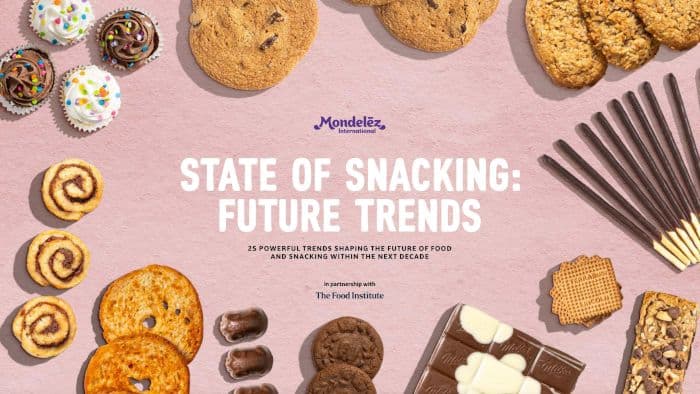
Nextatlas is one of the main sources to the fifth annual “State of Snacking: Future Trends”TM report, a market reference exploring the future of snacking over the next decade viewed through the lens of consumer-focused trends.
Barilla Group turned to Chefatlas for a faster, more specific read on where culinary professionals were directing their creative energy. The insight it surfaced, early chef conversations around emerging pasta formats, directly informed the development of Al Bronzo, Barilla's premium bronze-cut pasta range.
According to Alessandra Cervi, Global Observatory Associate Director at Barilla Group: "Chefatlas allowed us to be less reactive and much more proactive. We can now spot trends before they even hit the marketplace, because we're looking at what chefs are experimenting with in the moment."
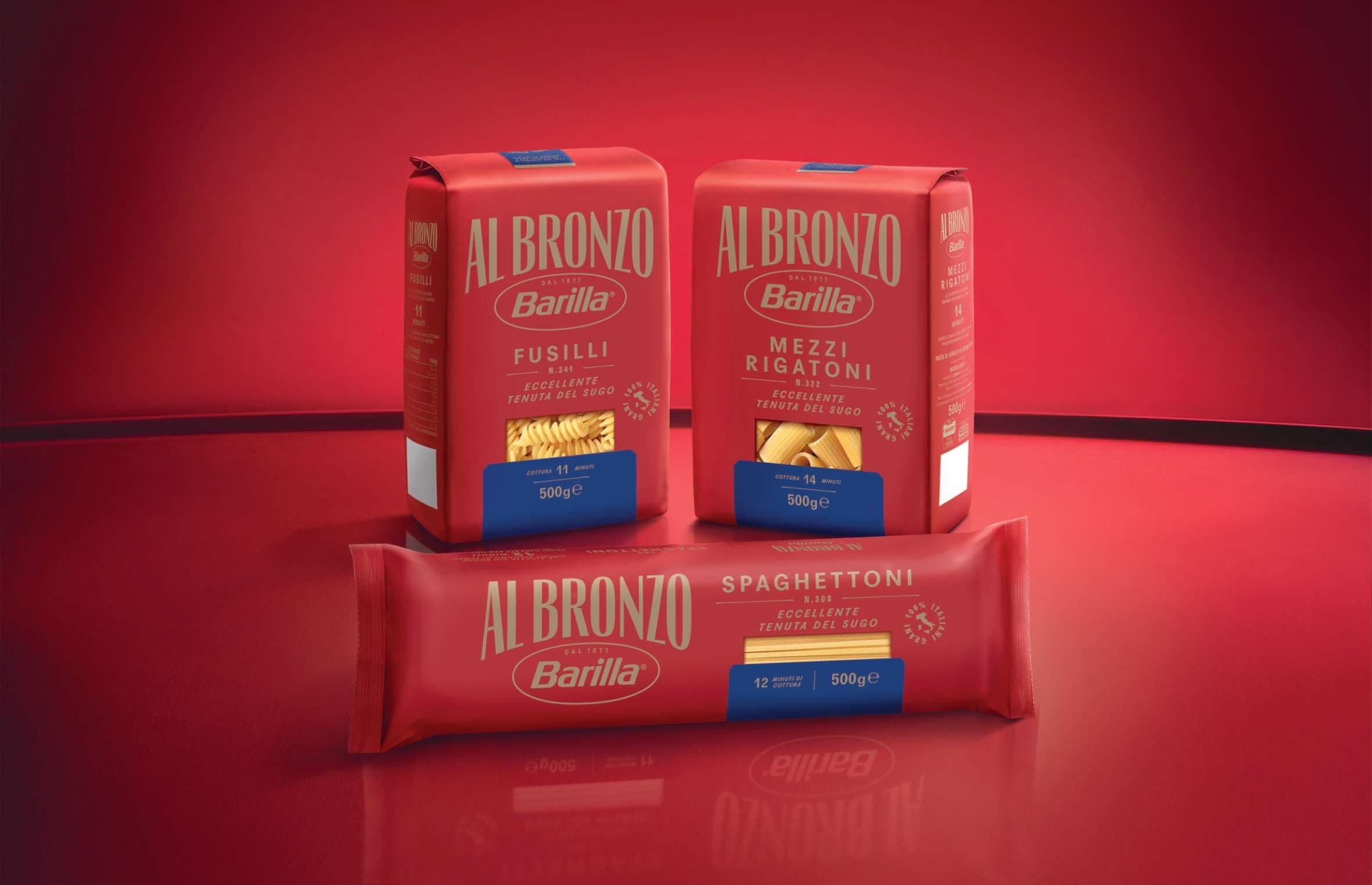
The launch of Al Bronzo was detailed at our joint talk with Barilla Group at the ESOMAR Trends Horizon 2025 in Washington DC, November 2025
The market has taken notice too: Chefatlas was named one of only three finalists in the Industries category at the ISG Software Innovation Awards, a distinction reserved for technologies that materially transform how entire sectors operate.
Built for food, by food people
TasteOS is rooted in food culture across retail, R&D, hospitality, and communication. It's one partner with deep domain knowledge rather than a one-size-fits-all generalist, and its audience models map real segments, from chefs in Italy to Gen Z wellness seekers, so every insight lands with meaning, not just volume.
Whichever seat you sit in, TasteOS speaks the same language. R&D and innovation teams can screen new product concepts against real early-adopter and chef momentum before committing pipeline budget. Marketing and insight teams can build category strategy and campaign calendars around what's verifiably rising. Foodservice and culinary teams can track menu-level adoption market by market, and executive leadership can walk into strategy conversations already briefed, with a defensible, benchmarked view of where a category is heading over the next one to three years. Everyone works from the same taxonomy and the same forecast, so no one is arguing about whose data is right.
See it on your own category
A call with the Nextatlas team typically covers a live walkthrough of TasteOS using signals from your own category, a benchmark of where your current pipeline sits against what early adopters are already doing, and a clear path to rollout for the engine, or combination of engines, that fits your workflow.
Trend lines, data, and information described in this article emerge from the ongoing analysis performed by Nextatlas on its global observation pool made of innovators, early adopters, and industry insiders. Discover Nextatlas Methodology →