The Big Picture on Comfort
Comfort is no longer what people settle for, but rather it's what they're designing their lives around. Somewhere between the silent reading parties, frictionmaxxing, and the skincare routine that has quietly become consumers most non-negotiable part of the day, the quest for comfort became the new key ambition to strive for.
For a long time, comfort was something you apologized for. The guilty pleasure, the lazy Sunday, the decision to stay in. Ambition meant striving, optimizing, pushing through. Comfort was what happened when you stopped.
That contract is dissolving. Across early adopter communities worldwide, Nextatlas data points to a fundamental shift in values: comfort has stopped being a reward and become a goal. People are designing their lives around it — actively, intentionally, and with real aesthetic and cultural intelligence behind every choice.
Softness is moving into shared space
The warmth and ease people once kept at home are spilling into public life. Cafes, bookshops, wellness venues, and retail floors are being redesigned around lingering rather than transacting. Relaxed, tactile clothing has moved from weekend wear to the everyday norm. Traditionally private activities — reading, resting, simply sitting without an agenda — are being reclaimed as communal experiences. People are gathering around slowness and finding connection in shared ease rather than shared stimulation.

Traditionally private activities are becoming communal experiences, such as the emergence of wellness clubs and the growing popularity of reading parties (Credits: Sofia Zarran|WLRN)
Small pleasures with serious intent
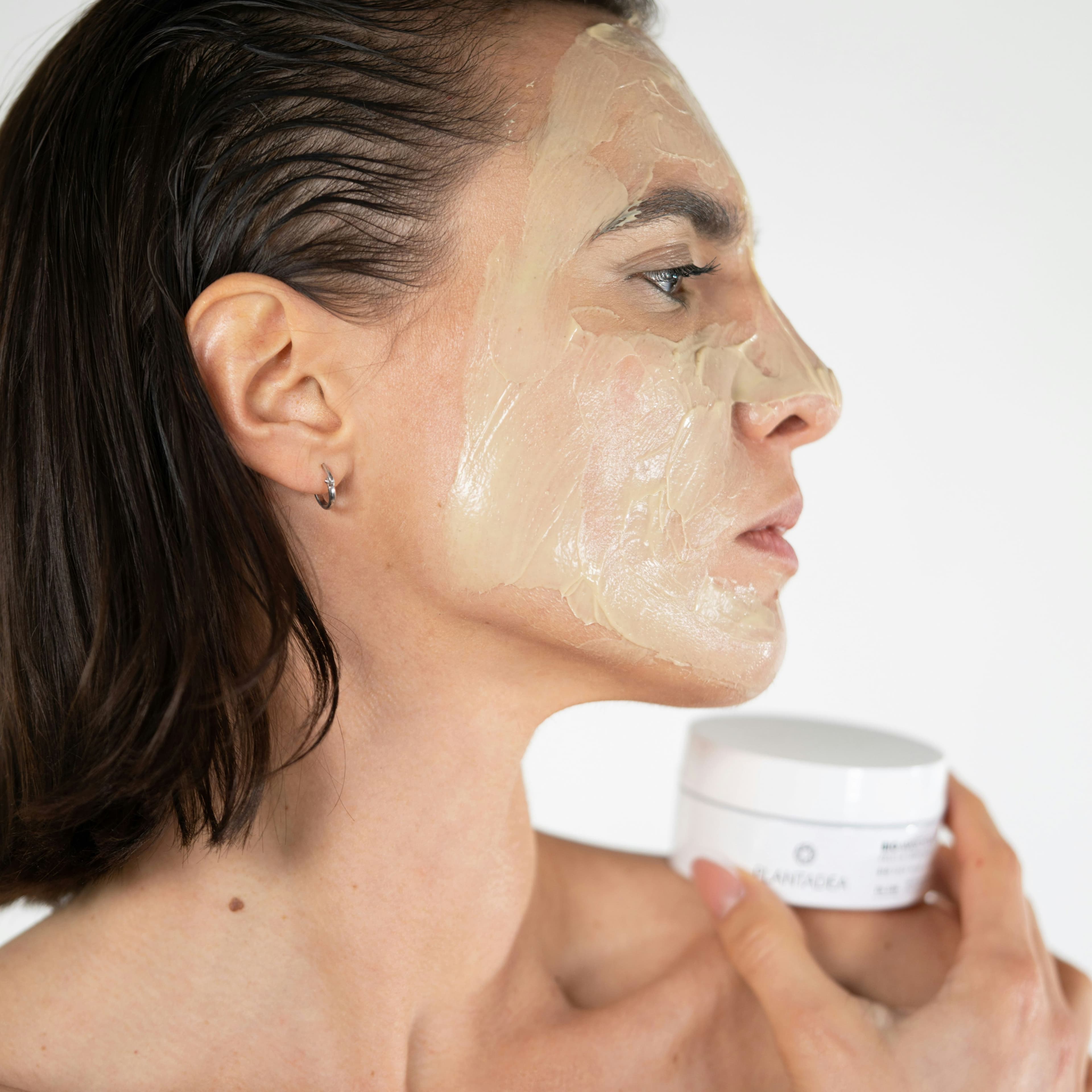
At the same time, people are building personal toolkits of micro-joy — curated lists of foods, rituals, films, and sensory experiences they return to when they need to reset. What social media has named the "dopamine menu" is more than a trend vocabulary. It reflects a genuine shift in how people relate to pleasure: deliberately, without guilt, and with the same intentionality once reserved for professional goals. Food & Beverage, Beauty & Cosmetics, and Home & Interiors are all being shaped by this logic, as consumers increasingly choose products and spaces based on how reliably they make them feel good.

F&B leads as the top impacted industry because eating is the most immediate dopamine lever available, with specific flavors, textures, and comfort dishes carrying powerful emotional memories that no other category can replicate
Rawness as a form of relief
Perhaps the most unexpected edge of this movement is the growing appetite for friction. In a cultural landscape saturated with polish, optimization, and frictionless experiences, intensity has become its own form of comfort. Rough textures paired with soft ones. Horror and dystopian narratives consumed as relaxation. Analog processes, visible imperfections, and deliberately unfinished aesthetics that feel more honest than anything smooth. For a growing number of early adopters, authenticity soothes in ways that perfection no longer can.

Limits, slowness, and analog friction are being reinterpreted as comforting rather than frustrating, as consumers increasingly seek textured, imperfect experiences in contrast to the frictionless smoothness of digital life (Credits: CASSE Café)
What this means for brands
Taken together, these three expressions of the comfort shift point to a single strategic truth: consumers are no longer waiting to feel at ease. They are building ease, curating it, and demanding it from the brands, spaces, and products they choose to spend time with. The brands that understand this are repositioning comfort not as a secondary feature but as a primary value proposition — one that requires real investment in sensory intelligence, spatial design, ritual thinking, and aesthetic honesty.
Comfort, it turns out, is serious business.
See the full report for all the data
Want the full picture? Download The Big Picture on Comfort for the complete data, trend analysis, demographic breakdowns, industry predictions, and real-world case studies — everything you need to act on the comfort shift before it reaches the mainstream.
Trend lines, data, and information described in this article emerge from the ongoing analysis performed by Nextatlas on its global observation pool made of innovators, early adopters, and industry insiders. Discover Nextatlas Methodology →